7 Plants to Cut Back in November Before It’s Too Late

As fall winds down and winter approaches, November becomes a crucial month for garden maintenance. Many plants begin to die back or develop disease during late fall, and trimming them at the right time can protect your garden from pests, fungi, and winter damage. Gardening professionals agree that November pruning helps set the stage for healthier, stronger growth in spring.
The main SEO keyword for this article is “Cut Back Plants in November.”


Why November Is the Final Chance for Pruning

By November, temperatures drop enough to send most perennials into dormancy. This makes late fall an ideal time to tidy up plants that attract pests, harbor disease, or turn soggy after frost. Cutting back the right plants ensures your garden enters winter clean, safe, and ready for new growth next season.

Below are the 7 plants gardening pros always cut back before winter arrives.


1. Hostas

When frost hits, hosta leaves quickly turn mushy, making them a perfect hiding spot for slugs and snails. Trimming them down to a few inches prevents pest infestation and keeps your beds clean through winter.


2. Bee Balm (Monarda)

Bee balm is notorious for developing powdery mildew late in the season. If left standing, diseased leaves overwinter and spread spores in spring. Cutting bee balm back in November helps control fungal growth and encourages healthier regrowth.


3. Daylilies

Daylily foliage collapses once temperatures drop, creating a messy, tangled look and trapping moisture that can attract rot. Pruning these plants helps reduce disease risk and keeps borders tidy.


4. Peonies (Foliage Only)

Peonies often develop leaf spot and fungal issues near the end of the growing season. While the woody stems should stay intact, the dying foliage needs removal to prevent disease from overwintering.

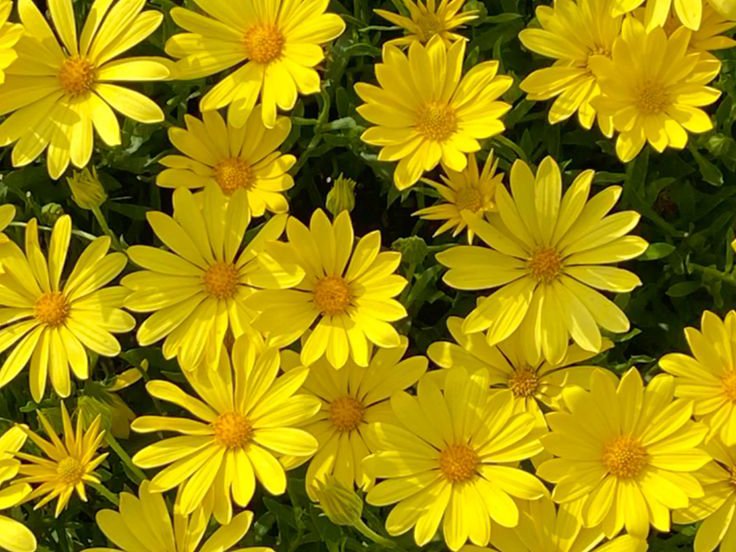
This may contain: many yellow flowers with green leaves in the background


5. Black-Eyed Susans (Rudbeckia)

By November, Rudbeckia leaves are usually spotted, brown, or dried out. Cutting the plant back helps prevent pathogens from spreading and prepares the roots for cold-weather dormancy. Some gardeners leave seed heads for birds, but foliage removal is still essential.


6. Yarrow

After blooming, yarrow stems become brittle and unattractive. They don’t add winter beauty or benefit wildlife, so pruning them now encourages stronger, bushier growth when spring returns.


7. Columbine (Aquilegia)

Columbine develops leaf miners and fungal spots in late fall. Removing damaged foliage helps eliminate pests hiding in the leaves and protects new growth that emerges early in spring.


Plants You Should Avoid Cutting in November

While the list above should be cut back, gardening pros warn against pruning these plants in late fall:

  • Lavender – Removing stems before winter increases the risk of cold injury.

  • Sedum – Their dried flower heads provide winter interest and protect crown buds.

  • Ornamental grasses – They add structure and protect the plant’s core from frost damage.

Leaving these plants intact helps them survive harsh winter weather.


Tips for Safe November Pruning

To ensure your plants stay healthy through winter, follow these expert-approved guidelines:

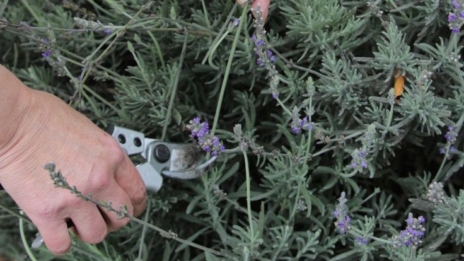
  • Use clean, sharp pruners to prevent spreading disease.

  • Cut stems 2–4 inches above soil level for protection.

  • Remove and discard all diseased foliage—don’t compost it.

  • Add a light layer of mulch after pruning to protect roots.

  • Avoid pruning shrubs that bloom on old wood.

These habits ensure your garden stays resilient and vibrant when spring arrives.


Conclusion

This guide on Cut Back Plants in November highlights the most important perennials to trim before winter settles in. By focusing on plants vulnerable to rot, pests, and fungus, gardeners can maintain a healthier, cleaner landscape and encourage thriving growth in the new season. Smart November pruning is one of the simplest ways to prepare your garden for success.