5 Smart Ways to Use Raised Garden Beds in Fall and Winter
As the growing season winds down, many gardeners assume raised garden beds go dormant until spring. However, with the right planning, these beds can remain productive and visually appealing during fall and winter. From growing cold-season vegetables to adding structure and protection to your garden, gardeners have discovered creative ways to maximize the use of raised beds year-round.
The main SEO keyword for this article is “Raised Garden Beds in Fall and Winter.”
1. Plant Cold-Tolerant Vegetables
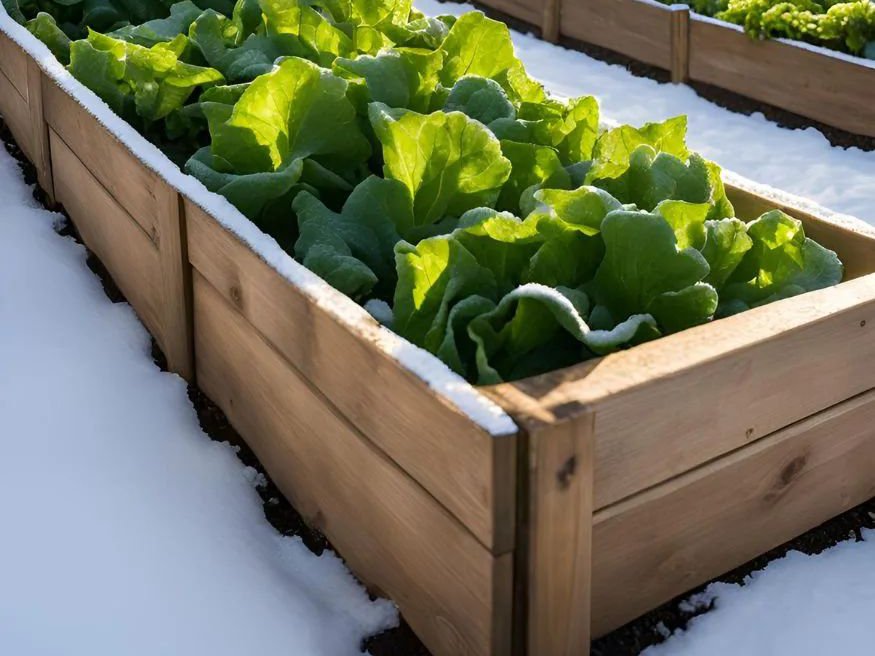
Fall and winter are perfect for growing hardy crops like kale, spinach, Swiss chard, and carrots. Raised beds warm faster than in-ground soil, giving these vegetables a better chance to thrive in cooler temperatures. Gardeners recommend planting these crops in late summer or early fall for a steady harvest into winter.
2. Use Mulch for Soil Protection
Applying a thick layer of organic mulch in your raised beds helps insulate roots, retain soil moisture, and suppress weeds. Mulching also prevents soil erosion and adds nutrients as it decomposes, preparing your beds for spring planting.
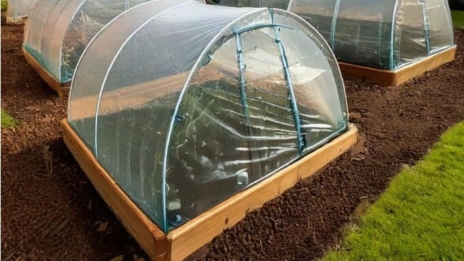
3. Install Cold Frames or Row Covers
To extend the growing season, gardeners often place cold frames or row covers over raised beds. These structures trap heat, protect plants from frost, and allow you to grow tender vegetables and herbs well into winter.
4. Overwinter Perennials
Raised beds are ideal for protecting perennials during cold months. Applying mulch around root zones or using row covers can help tender perennials survive harsh winters, reducing plant loss and ensuring spring blooms.
5. Grow Cover Crops
Planting cover crops like clover, rye, or winter peas in empty raised beds enriches the soil, prevents erosion, and adds organic matter. These crops can be tilled into the soil in spring, improving soil fertility and structure.
Conclusion
Using Raised Garden Beds in Fall and Winter is a smart way to extend productivity, protect plants, and maintain an attractive garden even during colder months. By following these seven strategies—from planting cold-tolerant crops to adding ornamental interest—you can make the most of your raised beds year-round and enjoy healthier, more productive gardens in spring.