When to Plant Allium Bulbs So They Bloom Right
Alliums are striking ornamental bulbs known for their globe-like blooms and long-lasting impact in gardens. Planting them at the right time is crucial to ensure that they bloom on schedule next spring. Timing, soil preparation, and proper care all play a role in encouraging strong roots, healthy growth, and vibrant flowers.
The main SEO keyword for this article is “Plant Allium Bulbs.”
Why Timing Matters
Alliums require a period of cold dormancy to develop strong roots and flower reliably. Planting too early or too late can disrupt this process:
-
Too early: Bulbs may sprout before winter, making them vulnerable to frost.
-
Too late: Bulbs may not establish roots before the ground freezes, resulting in delayed or weak blooms.
For most climates, the optimal window ensures bulbs experience cold soil conditions necessary for spring flowering.
Ideal Time to Plant Allium Bulbs
-
Fall Planting: Typically, allium bulbs should be planted 2–6 weeks before the first hard frost in your area.
-
Soil Temperature: Aim for soil temperatures between 50–60°F (10–16°C). This encourages root development while avoiding premature sprouting.
-
Regional Considerations: In warmer climates, plant a bit later to prevent early growth. In colder zones, aim for the earlier side of the window to allow root establishment before deep.
Preparing the Soil
Alliums thrive in well-draining soil enriched with organic matter. Tips for preparation include:
-
Choose a sunny location: Alliums bloom best with at least 6 hours of direct sunlight per day.
-
Improve drainage: Add sand or compost to prevent waterlogging, which can rot bulbs.
-
Fertilize lightly: Incorporate a balanced bulb fertilizer or compost before planting to support root growth.
Proper soil preparation ensures that bulbs have a solid start for spring blooms.
Planting Tips for Success
-
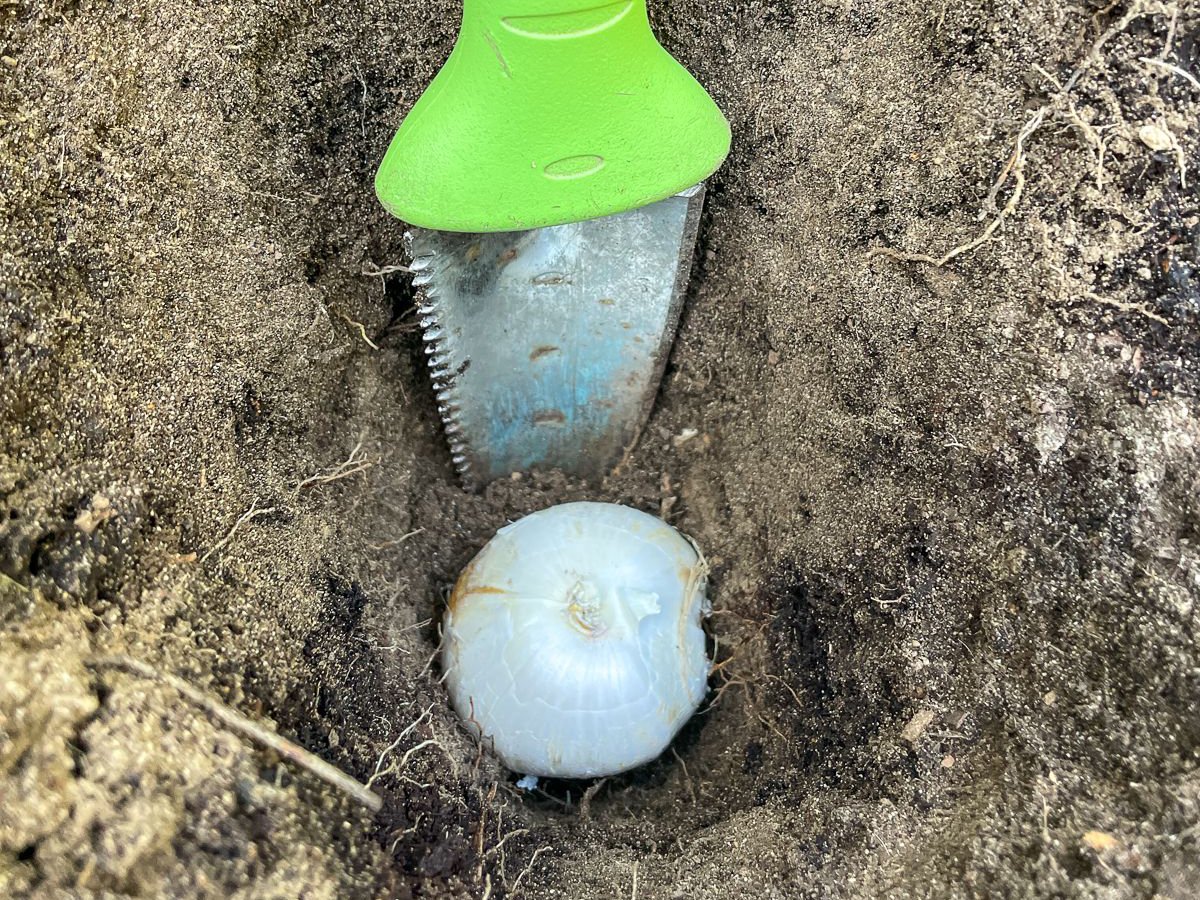
Depth: Plant bulbs 2–3 times as deep as the bulb’s height. Larger alliums may require deeper planting.
-
Spacing: Leave 6–12 inches between bulbs, depending on variety, to allow room for growth and airflow.
-
Pointed Side Up: Always plant with the pointed tip facing upward.
-
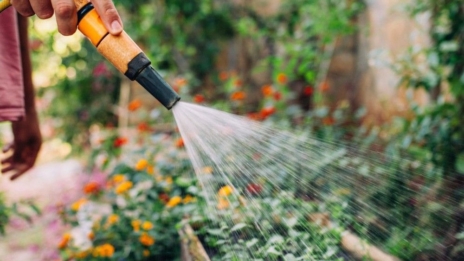
Watering: Water thoroughly after planting to settle the soil and encourage root growth.
These steps create the best environment for healthy, robust flowers.
Conclusion
Knowing exactly when to Plant Allium Bulbs ensures your garden is filled with vibrant, timely blooms each spring. By planting in the optimal fall window, preparing well-draining soil, and following proper planting techniques, gardeners can enjoy strong stems, abundant flowers, and lasting garden beauty. Attention to timing and care is the key to a successful allium display.