Overwatered Your Plant? 3 Easy Tricks Garden Pros Use
Overwatering is one of the most common mistakes gardeners make, and it can quickly threaten the health of your plants. If you’ve accidentally given too much water, don’t panic. With the right strategies, you can revive overwatered plants and restore them to vibrant health. Garden professionals share six proven tricks that work quickly and effectively.
The main SEO keyword for this article is “Revive Overwatered Plants.”
1. Assess the Damage
Before taking action, inspect your plant carefully:
-
Check the roots: Healthy roots are firm and white, while overwatered roots often turn brown and mushy.
-
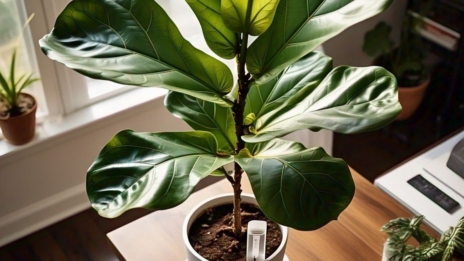
Look at the leaves: Yellowing, wilting, or dropping leaves indicate water stress.
Identifying the severity helps determine the best recovery method.
2. Remove Excess Water
If the plant is in a pot, immediately remove excess water:
-
Empty saucers under pots.
-
Tilt the pot gently to drain standing water.
-
Avoid leaving plants in soggy soil, as this worsens root rot.
Proper drainage is essential for the plant to recover.
3. Repot if Necessary
Severely overwatered plants may need repotting:
-
Remove the plant from its current soil.
-
Trim any mushy or dead roots carefully with sterilized scissors.
-
Replant in fresh, well-draining soil and a pot with drainage holes.
This gives roots a healthier environment to regrow and prevents further water stress.
Conclusion
Overwatering doesn’t have to mean the end for your plants. By following these six expert-approved tricks, you can revive overwatered plants and restore them to vibrant health. Proper assessment, drainage, repotting, improved airflow, adjusted watering habits, and supplemental care are all key steps to help your plants recover and thrive.