If You’re Not Doing This One Thing For Your Houseplants
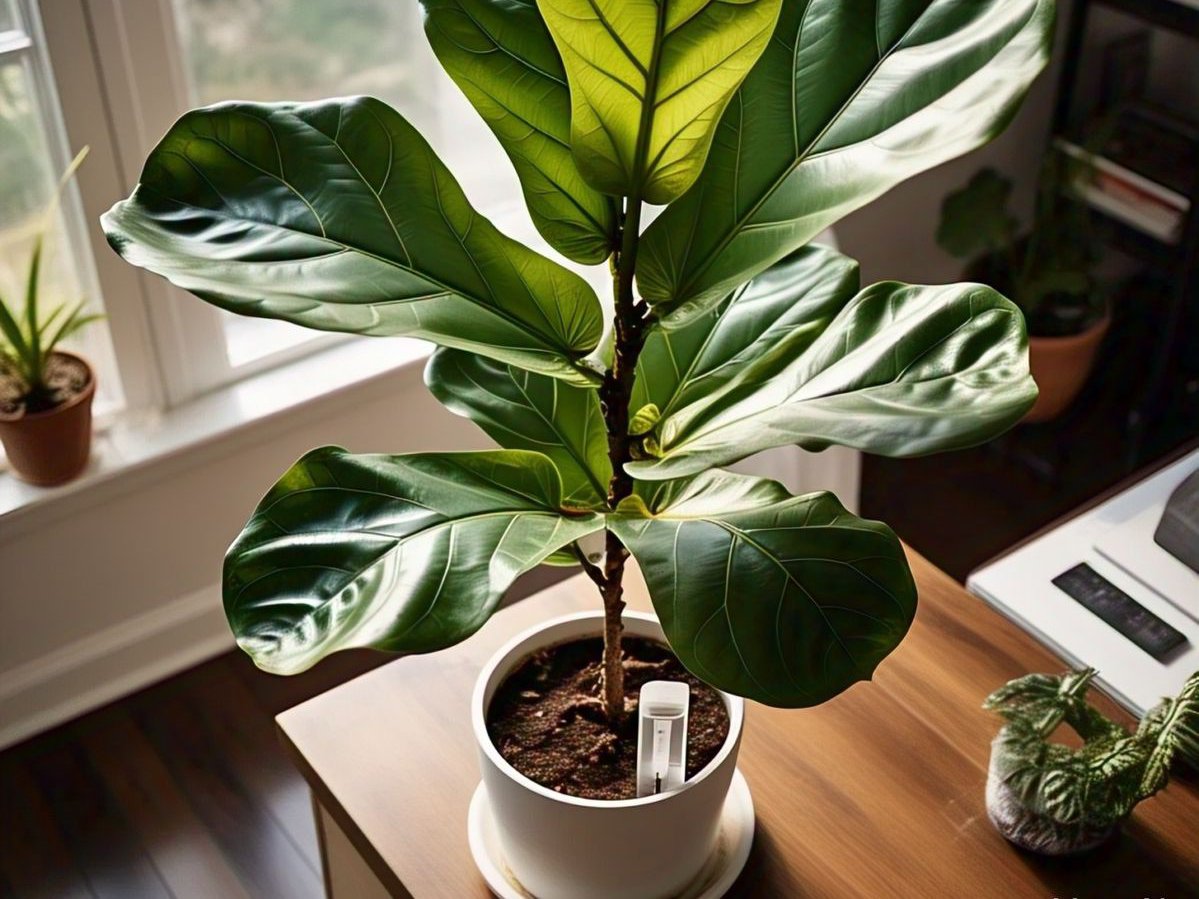
Houseplants bring beauty, improve air quality, and add a calming presence to any home. Yet many plant owners struggle with keeping them healthy and vibrant. Often, the missing element isn’t water, sunlight, or fertilizer—it’s proper soil care. Without the right soil conditions and attention, even the most resilient houseplants can struggle to thrive.
The main SEO keyword for this article is “Houseplants Thriving.”
Why Soil Matters for Houseplants
Healthy soil is the foundation of plant growth. It provides:
-
Nutrients: Essential minerals and organic matter that support foliage and root development.
-
Water Retention and Drainage: Balances moisture for healthy roots.
-
Aeration: Ensures roots can breathe and prevents fungal problems.
Ignoring soil health can lead to stunted growth, yellowing leaves, and susceptibility to pests or disease.
Signs Your Soil Needs Attention
If your houseplants show these symptoms, it may be a soil problem:
-
Slow growth or no new leaves
-
Wilting despite proper watering
-
Soil that dries out too quickly or stays soggy
-
Visible salt or mineral buildup on the surface
Addressing soil issues is often more effective than adjusting water or light alone.
Tips for Improving Houseplant Soil
1. Repot With Fresh Potting Mix
-
Use a well-draining, nutrient-rich potting mix appropriate for your plant type.
-
Avoid garden soil, which can compact in pots and reduce aeration.
2. Check for Proper Drainage
-
Ensure pots have drainage holes to prevent root rot.
-
Add a layer of gravel or broken pottery at the bottom for extra drainage if needed.
3. Fertilize Correctly
-
Feed plants with a balanced liquid fertilizer every 4–6 weeks during the growing season.
-
Follow label directions to avoid over-fertilizing, which can harm roots.
Conclusion
If you want your houseplants thriving, don’t overlook soil care. Proper potting mix, drainage, fertilization, aeration, and pH monitoring are critical to healthy growth. By focusing on the foundation your plants grow in, you create an environment that supports lush foliage, vibrant flowers, and resilient roots. Soil isn’t just a container filler—it’s the key to houseplant success.