Is It Too Late to Prune Perennials in November?
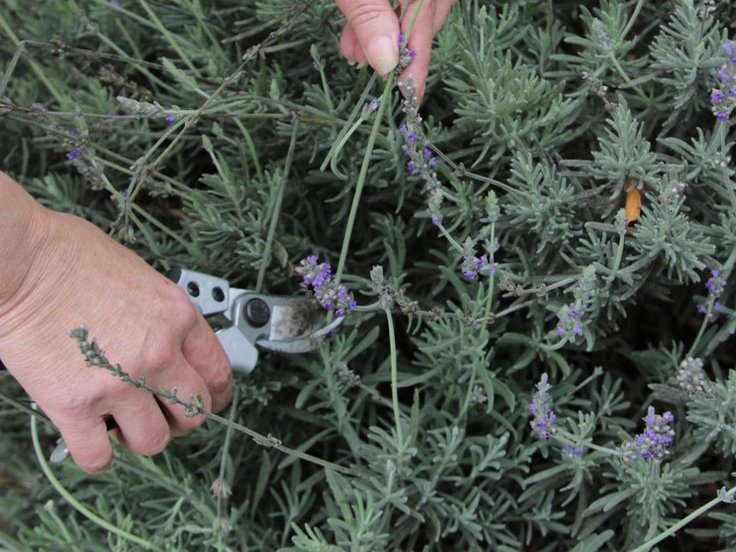
As the gardening season winds down and colder weather begins to settle in, many gardeners find themselves wondering whether pruning chores can continue into late fall. One of the most common questions is: Is it too late to prune perennials in November? While November pruning can still be beneficial for some plants, it may be harmful for others. Understanding the right timing helps protect your garden and prepares it for a healthy resurgence in spring.
The main SEO keyword for this article is “Pruning Perennials in November.”
Why Timing Matters for Pruning
Pruning at the correct time ensures that your perennials stay strong, disease-free, and capable of vigorous spring growth. Late-season pruning, however, can sometimes stimulate new growth that is too tender to survive winter. Knowing when to prune—and when to leave your plants alone—is essential for winter garden success.
Perennials You Can Safely Prune in November
While not all plants tolerate late fall pruning, several perennials still benefit from a final trim before winter arrives.
1. Dying or Diseased Perennials
If a plant is showing signs of fungal disease, spotted leaves, or rot, pruning in November helps prevent disease from overwintering. Removing damaged stems improves air circulation and protects neighboring plants.
2. Soft-Stem Plants That Collapse in Frost
Plants such as hostas, bee balm, and daylilies often die back completely after frost. Cutting them down to a few inches above ground helps keep your garden neat and reduces pest activity.
3. Perennials With Hollow Stems
Some perennials, like penstemon, can be pruned lightly in late fall to prevent water from pooling in their stems, which can lead to freezing damage.
4. Non-Wildlife Plants
If certain perennials don’t provide seeds, shelter, or winter interest, many gardeners choose to cut them back to simplify their winter maintenance routine
Conclusion
So, is it too late to prune perennials in November? The answer depends on the specific plants you’re growing. As highlighted in this guide to Pruning Perennials in November, some perennials appreciate a tidy cutback, while others rely on their spent foliage for winter protection and spring reblooming. By following gardener-recommended timing and techniques, you can ensure your garden enters winter strong and emerges in spring even stronger.