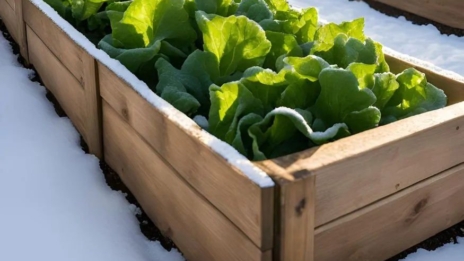
Should You Cover Raised Garden Beds All Winter?
As temperatures drop and frost becomes a concern, gardeners often ask: Should you cover raised garden beds all winter? The answer depends on the types of plants you grow, your climate, and the soil conditions. Proper winter care can protect your plants, preserve soil health, and even improve blooms and growth next spring. Understanding when and how to cover raised beds ensures a thriving garden year after year.
The main SEO keyword for this article is “Cover Raised Garden Beds in Winter.”
Why Gardeners Cover Raised Beds in Winter
Raised beds are more exposed than in-ground gardens, which means their soil can freeze faster and dry out more quickly. Covering raised beds in winter offers several benefits:
-
Protects plant roots from freezing temperatures
-
Prevents soil erosion caused by rain, wind, and snow
-
Retains moisture and reduces winter drought stress
Types of Covers and How They Help
Gardeners use different materials depending on the protection needed and the climate:
1. Mulch
A thick layer of straw, leaves, or compost acts as insulation, keeping roots from freezing and maintaining soil moisture. Mulch also decomposes over time, enriching the soil for spring planting.
2. Row Covers or Floating Fabric
Lightweight fabric covers protect tender plants from frost without blocking light. They are especially useful for overwintering vegetables like kale, spinach, or lettuce.
3. Plastic Tunnels or Cold Frames
These structures trap heat and create a mini-greenhouse effect. They are ideal for extending the growing season and protecting winter crops in colder climates.
4. Combination of Mulch and Covering Structures
Some gardeners layer mulch first and then use row covers or tunnels to maximize insulation and frost protection.
Conclusion
Deciding whether to Cover Raised Garden Beds in Winter depends on plant type, climate, and your gardening goals. Covering beds protects tender crops, preserves soil, and supports stronger blooms and growth next season. By using mulch, row covers, or cold frames wisely, gardeners can ensure their raised beds stay productive and healthy through the winter months.