Should You Mulch in Fall? Gardeners Say These Plants Need It
As temperatures drop and the growing season slows, many gardeners begin preparing their landscapes for winter. One of the most common questions during this transition is: Should you mulch in fall? While mulching is widely recommended for protecting soil and supporting healthy plant growth, not all plants benefit equally from fall mulching. Understanding which plants need mulch—and which prefer to stay uncovered—helps you maintain a healthier, more resilient garden.
The main SEO keyword for this article is “Fall Mulching Guide.”
Why Mulching in Fall Matters
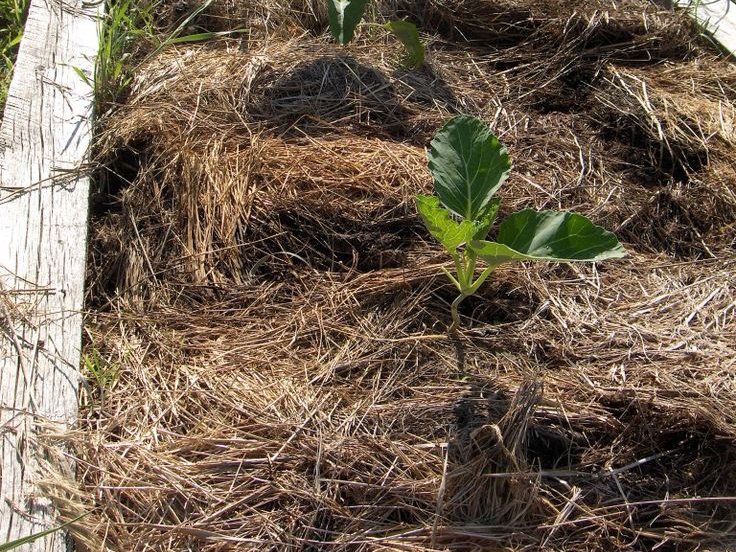
Mulching during fall offers several advantages for your garden. A fresh layer of mulch helps regulate soil temperature, retain moisture, suppress weeds, and protect roots from harsh winter weather. It also enriches the soil as it breaks down, enhancing fertility for the next growing season.
However, mulching at the wrong time or around the wrong plant can lead to rot, pest problems, or delayed spring growth. That’s why a balanced and selective approach is essential.
Plants That Benefit From Fall Mulching
1. Perennials
Most hardy perennials appreciate a layer of mulch in fall. Mulch protects the crown and roots from freeze–thaw cycles, which can heave the plant out of the soil. Plants like hostas, coneflowers, daylilies, and peonies respond well to a 2–3 inch layer of organic mulch.
2. Newly Planted Shrubs and Trees
Young plants are particularly vulnerable to sudden temperature drops. Mulch acts as a natural insulation layer, helping them establish strong root systems before winter arrives.
3. Bulbs That Bloom in Spring
Bulbs such as tulips, daffodils, and hyacinths can benefit from mulching after the ground freezes. This prevents the soil from shifting and protects your bulbs from animals like squirrels.
4. Winter Vegetables
Cold-season crops—kale, garlic, leeks, and carrots—thrive with the added protection of mulch. It keeps the soil workable for harvesting and shields roots from severe frost.
5. Shallow-Rooted Plants
Plants with shallow root systems, including strawberries, benefit from fall mulching as it prevents roots from freezing.
Conclusion
This Fall Mulching Guide shows that fall mulching is not “one-size-fits-all.” Many plants benefit from the protection mulch provides, while others require dry conditions to stay healthy. By understanding which plants need mulch—and which don’t—you can prepare your garden effectively for winter and set the stage for a stronger spring bloom.