We Asked a Pest Pro If Neem Oil Kills Thrips
Thrips are tiny, destructive insects that feed on plants, causing discolored leaves, scarring, and reduced growth. Many gardeners turn to neem oil as a natural solution, but is it truly effective against thrips? We consulted a pest professional to clarify how neem oil works, common mistakes, and the best practices for managing these persistent pests.
The main SEO keyword for this article is “Neem Oil for Thrips.”
How Neem Oil Works
Neem oil is a natural pesticide derived from the seeds of the neem tree. It contains azadirachtin, which disrupts the hormonal system of insects, preventing them from feeding, mating, or reproducing.
-
Contact Action: When thrips come in direct contact with neem oil, they can be killed or deterred.
-
Systemic Effects: While neem oil is not fully systemic, repeated applications can reduce pest populations over time.
Neem oil works best as part of an integrated pest management strategy rather than a single solution.
Common Mistakes When Using Neem Oil
Even experienced gardeners often misapply neem oil. Here’s what pest pros warn about:
1. Applying in Direct Sunlight
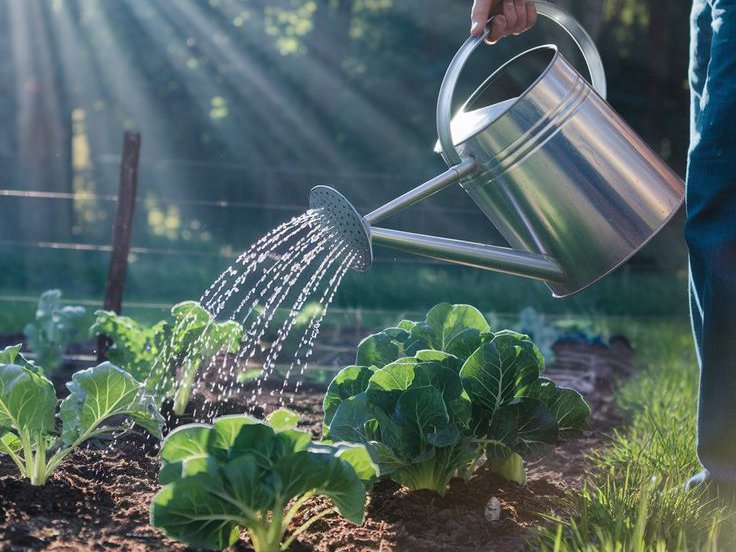
Spraying neem oil during the hottest part of the day can burn plant leaves. Experts recommend applying in early morning or late afternoon.
2. Using Too Low Concentration
Diluting neem oil excessively reduces effectiveness against thrips. A properly mixed solution ensures contact with insects is lethal.
3. Infrequent Application
Thrips reproduce quickly. Applying neem oil sporadically allows new generations to establish. Consistent applications every 7–10 days are recommended during active infestations.
4. Ignoring Hidden Thrips
Thrips often hide in leaf crevices, buds, and flowers, areas that may be missed during spraying. Thorough coverage is key for successful control.
Conclusion
So, does Neem Oil for Thrips work? Yes—but only when applied correctly. Misapplication, low coverage, or infrequent spraying often leads to disappointing results. By following expert recommendations—proper timing, concentration, thorough coverage, and repeated applications—gardeners can manage thrips effectively while maintaining plant health. Integrated pest management remains the most reliable strategy for long-term control.